


The Future of Startup Leadership Is Fractional and Here’s Why
In today’s fast-paced and ever-evolving business landscape, startups are under increasing pressure to scale quickly, operate efficiently, and innovate constantly. However, navigating this complex environment is no easy feat, and the traditional model of hiring full-time executives to lead key functions may no longer be the best solution especially for startups operating on limited resources or those in hypergrowth stages.
Enter fractional leadership. The future of startup leadership lies in leveraging experienced, high-level executives on a flexible, part-time basis without the overhead or long-term commitments of full-time hires. As startups face an increasing number of challenges, fractional leadership offers a cost-effective, scalable solution that drives impact quickly and effectively.
In this post, we’ll explore why fractional leadership is the future of startup leadership, how it benefits businesses, and why founders should consider this model to accelerate growth and success.
What Is Fractional Leadership?
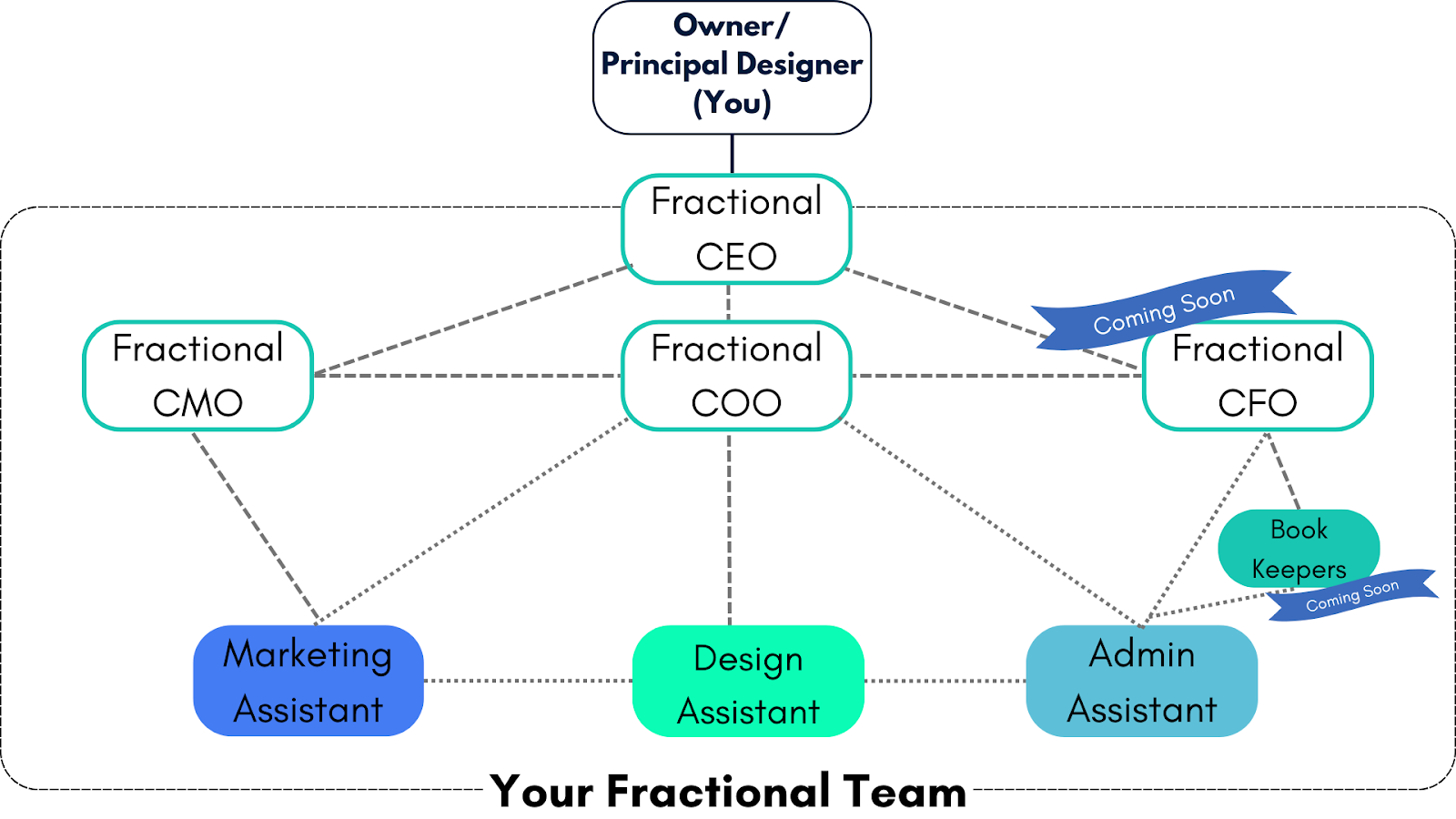
Fractional leadership refers to the practice of hiring experienced, high-level executives to serve in critical leadership roles on a part-time, temporary, or interim basis. These leaders bring extensive experience and strategic insights, but rather than being full-time employees, they work a set number of hours each week or month to address specific business challenges or initiatives.
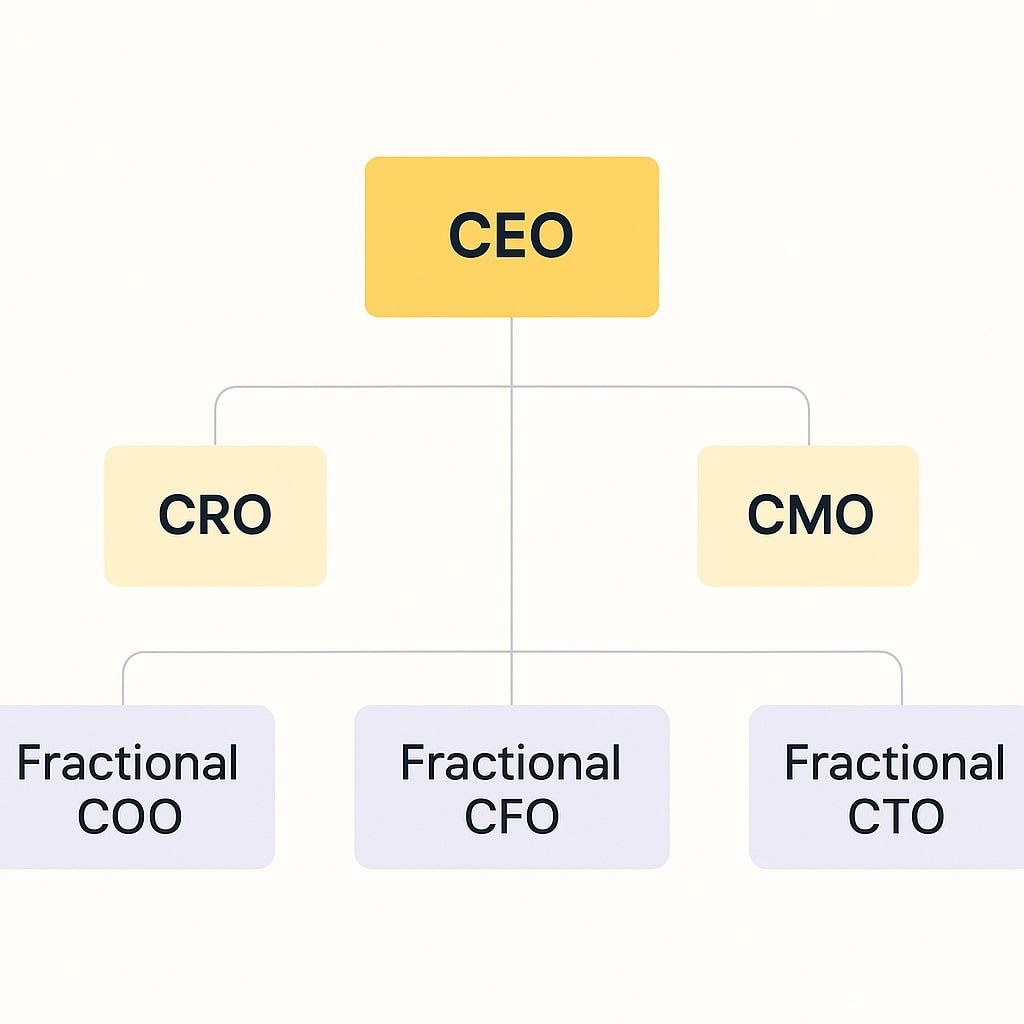
For startups, fractional leaders can fill critical positions such as:
- Chief Executive Officer (CEO)
- Chief Operating Officer (COO)
- Chief Technology Officer (CTO)
- Chief Financial Officer (CFO)
- Chief Marketing Officer (CMO)
- Chief Revenue Officer (CRO)
Unlike traditional consultants, fractional leaders are integrated into the team, working closely with other executives and employees to implement strategy, lead initiatives, and make high-level decisions. Fractional leaders provide the expertise, accountability, and focus needed to address urgent business needs, all while keeping costs manageable.
The Rise of Fractional Leadership in the Startup Ecosystem
The demand for fractional leadership has surged in recent years, particularly in the startup world. Why? Simply put: startups are facing unique challenges that require a flexible, scalable approach to leadership.
1. Speed and Flexibility
Startups operate in a fast-moving environment. When business problems arise whether that’s scaling operations, refining a go-to-market strategy, or addressing financial inefficiencies there’s no time to waste. Fractional leadership offers startups the flexibility to bring in experienced leadership at the moment they need it most, without the lengthy hiring process or the risk of making an ill-fitting full-time hire.
Fractional leaders can be deployed quickly, often within days or weeks, and can immediately begin driving impact. This speed and flexibility are critical for startups that need to react quickly to new opportunities or challenges.
2. Cost-Effective Talent
Hiring a full-time executive comes with substantial costs not only in salary but also in benefits, equity, and the risk of long-term commitments. For many startups, especially those in their early stages or scaling quickly, the financial burden of hiring full-time leadership can be overwhelming.
Fractional leadership allows startups to access top-tier talent without the hefty price tag. Fractional executives work on a part-time basis, often billing only for the hours they spend on the business, providing startups with high-quality leadership at a fraction of the cost. This model is particularly appealing for startups that need C-suite-level expertise but can’t yet afford full-time executives.
3. Mitigating Leadership Gaps
Startups often face periods of transition or rapid change, whether it’s due to growth, pivoting, or preparing for an exit. During these times, leadership gaps can emerge, and it’s critical to have experienced leaders in place to fill these voids.
Fractional leaders can step into these gaps seamlessly, bringing a wealth of experience and a fresh perspective to guide the company through these transitions. Whether it’s leading a product launch, restructuring operations, or overseeing an M&A process, fractional leaders provide the strategic direction needed without the need to search for a permanent hire.
Why Fractional Leadership Is the Future of Startup Leadership

The traditional model of hiring full-time executives for every function particularly in the early stages of a startup is increasingly becoming obsolete. The future of startup leadership is fractional for several compelling reasons:
1. Access to Top-Tier Talent Without the Overhead
Startups often lack the resources to attract or retain high-level talent. Full-time C-suite executives expect substantial compensation packages, including salary, benefits, equity, and bonuses costs that many startups can’t afford.
Fractional leadership allows startups to access top-tier executives without committing to the full financial overhead. With fractional leadership, startups can bring in a CFO with IPO experience, a CRO with a proven sales track record, or a CMO with expertise in scaling digital marketing campaigns all without bearing the cost of a full-time hire.
2. A More Agile, Adaptable Approach to Leadership
Startups need leaders who can pivot quickly, adapt to change, and drive results in a dynamic, fast-paced environment. Fractional leaders are experienced in managing fast-changing businesses and can adapt to new priorities and challenges with agility. Because they’re often called in to address specific issues or goals, fractional leaders are naturally results-oriented and can quickly assess the most important areas for improvement.
Unlike traditional hires, who might need months of onboarding and ramp-up time, fractional leaders bring immediate value and are already accustomed to working in environments that require rapid decision-making and quick execution.
3. Enhanced Focus on Strategic Objectives
Full-time executives often juggle multiple responsibilities, from managing daily operations to overseeing long-term strategy. In contrast, fractional leaders are hired to focus on specific strategic objectives. Their role is to align the team around key priorities, address critical pain points, and implement scalable systems.
This focused approach allows fractional leaders to bring laser-like focus to the most important aspects of the business, whether it’s optimizing operational processes, refining the company’s financial model, or improving the customer acquisition strategy.
4. Expertise for Key Transitional Phases
Startups go through multiple phases of growth and change. Whether it’s moving from product-market fit to scaling, preparing for a funding round, or managing an exit, each phase presents unique challenges that require specialized leadership. Fractional executives offer the expertise needed during these key transitions.
Fractional leadership can be used to fill gaps during periods of change, ensuring that the startup has the necessary strategic guidance during critical milestones. These leaders can provide mentorship to existing teams, align stakeholders, and ensure the business is positioned for sustainable success.
5. Reducing Risk and Improving Decision-Making
Startups operate with high levels of uncertainty and risk, especially in the early stages. Every decision counts, and mistakes can be costly. Fractional leaders bring their experience to the table, helping startups make informed decisions that reduce risk.
By leveraging their expertise, fractional leaders can guide startups through complex challenges, from managing cash flow to scaling operations or managing growth-related risks. Their experience helps prevent costly mistakes and ensures that the startup stays on track.
How Founders Can Leverage Fractional Leadership
As a founder, knowing when to bring in fractional leadership is critical. Here’s how you can leverage this model to benefit your startup:
1. Identify Leadership Gaps
Assess the areas where your startup is lacking leadership or expertise. Do you need someone to oversee operations during a scaling phase? Do you need a marketing expert to refine your go-to-market strategy? Identifying these gaps will help you understand where fractional leadership can make the most impact.
2. Focus on Strategic Objectives
Fractional leadership works best when focused on specific goals or challenges. Whether it’s preparing for a funding round, driving revenue growth, or optimizing operational efficiency, make sure to align your fractional leader with clear strategic objectives.
3. Use Fractional Leaders to Guide Transition
As your startup moves from one stage to the next whether that’s pivoting your business model, scaling operations, or preparing for an exit bring in fractional leaders with the specific expertise needed for these transitions. They’ll provide the guidance and experience needed to navigate these complex milestones.
Conclusion: The Future Is Fractional

The traditional model of hiring full-time executives for every role in a startup is quickly becoming a thing of the past. As startups continue to face growing pressure to scale, innovate, and execute in a fast-moving environment, fractional leadership offers a flexible, cost-effective, and scalable solution to address critical leadership gaps.
Fractional leadership gives startups access to top-tier talent without the financial strain of full-time hires, while also providing the agility and focus necessary to execute key initiatives quickly. As the future of work evolves and startups continue to seek innovative solutions to complex challenges, fractional leadership will play an increasingly central role in helping businesses thrive in an ever-changing world.
By embracing fractional leadership, startup founders can not only drive faster growth but also build a more resilient, adaptable, and high-performing leadership team, one that is ready to tackle the challenges of tomorrow.
Let’s build smarter, faster, together.
Book a free consult with ATLAS Global Ventures today →